
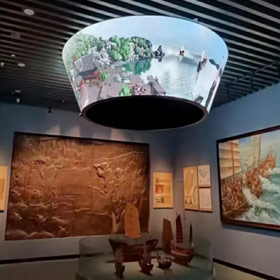
When choosing a screen, the first question to answer is not “how big” but “where to install”.
Indoor and outdoor may seem separated by just a wall, but the requirements for LED displays are entirely different. Installing an indoor screen outdoors will cause it to fail within half a year; using an outdoor screen indoors not only wastes budget but also causes eye fatigue due to excessive brightness. We will help you clarify the differences from three core aspects.
1. Brightness: Brighter is not always better
Under direct outdoor sunlight, the screen brightness needs to reach 5,000 nits or even over 10,000 nits to ensure clear visibility. In contrast, indoor ambient light typically ranges from 500 to 1,000 lux, making 800 to 1,500 nits more than sufficient. Installing an outdoor high-brightness screen indoors will cause severe glare and visual fatigue over prolonged viewing.
Remember the principle: indoor favours softness, outdoor demands clarity.
2. Protection: Waterproofing and dustproofing are essential
Outdoor screens must withstand rain, dust, UV exposure, and even salt spray corrosion. The protection rating generally needs to be IP65 or above, which means the cabinets must be sealed while balancing heat dissipation and waterproofing. Indoor screens, on the other hand, have lower protection requirements and focus more on quiet cooling and slim aesthetics. Installing an indoor screen in a semi‑open covered walkway could lead to short‑circuit failure after just one rain shower.
3. Installation: Load‑bearing and structural requirements are vastly different
Outdoor screens are often large with significant wind‑load exposure. Before installation, a qualified structural engineer must issue a steel‑frame load calculation report to ensure safety under extreme weather. Indoor screens are typically wall‑mounted, recessed, or fitted with mobile stands, emphasising integration with interior design and ease of installation.
Our advice:
If you are unsure which category your installation environment falls into, simply contact our engineers. We will conduct an on‑site survey and provide specific recommendations based on actual lighting, humidity, and wall structure. When it comes to screens, installing them in the right place is more important than picking the right specification.




 简体中文
简体中文  English
  香港中文
香港中文